
Juin 2026
As Europe faces another intense heatwave, the instinctive response is often to look for technological fixes: air conditioning, cooling centres, emergency alerts, reflective materials. These tools are useful, and sometimes vital. But one of the most effective forms of heat protection is also one of the oldest: trees.
Trees moderate heat in two powerful ways.
First, they provide shade. A shaded street, courtyard or façade does not absorb solar radiation in the same way as exposed asphalt, concrete or stone. This matters because much of the discomfort we feel during a heatwave is not only linked to air temperature, but also to the heat radiating from mineral surfaces around us.
Second, trees cool the air through evapotranspiration: they draw water from the soil and release it through their leaves. This natural process works like a living cooling system, especially when trees are healthy, mature, well-rooted and connected to permeable soils.
The data is clear. According to the US Environmental Protection Agency, shaded surfaces can be 11°C to 25°C cooler than unshaded materials, while evapotranspiration and shading together can reduce peak summer temperatures by 1°C to 5°C. In Europe, a major modelling study covering 93 cities found that increasing tree cover to 30% could reduce urban temperatures by an average of 0.4°C and prevent more than one third of deaths attributable to urban heat islands.
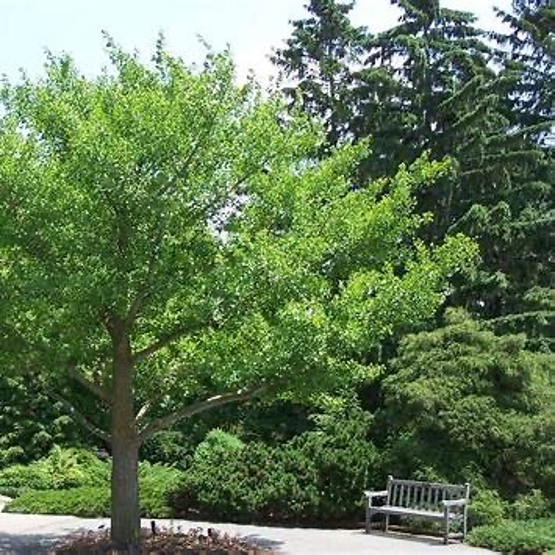
This is not marginal. During a heatwave, small reductions in temperature can translate into major gains for public health, especially for children, elderly people, outdoor workers and people living in dense, poorly vegetated neighbourhoods.
But the lesson is not simply “plant more trees”. It is “plant, protect and manage trees intelligently”.
A young tree planted in a mineralised street will not deliver the same cooling effect as a mature canopy rooted in living soil. Trees need space, water, soil biology, species diversity and long-term maintenance. The goal is not symbolic greening, but functional ecosystems that create shade, retain water, support biodiversity and improve comfort.
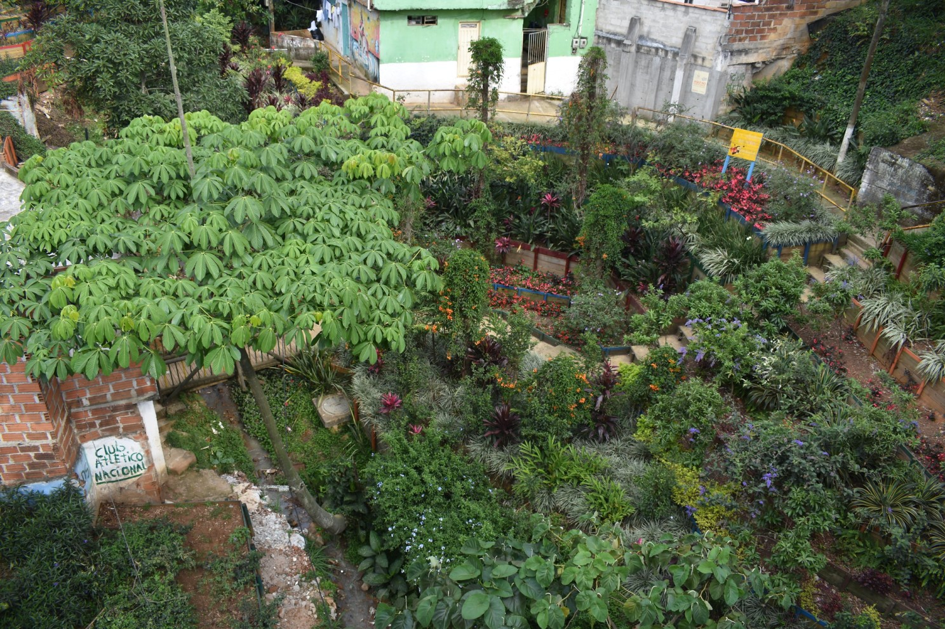
Several cities are already showing what this looks like in practice. In Medellín, Colombia, the city developed a network of green corridors along roads, waterways and public spaces. Hundreds of thousands of trees and millions of plants were introduced to connect fragmented green areas. The result: lower temperatures in some of the hottest parts of the city, improved air quality, more biodiversity and more liveable public spaces.
In Paris, the OASIS schoolyard programme transforms asphalted schoolyards into cool islands with vegetation, permeable surfaces, shade and water access. The idea is simple and powerful: turn everyday public spaces into local refuges during heatwaves, especially for children and surrounding communities. In Barcelona, schools have also been transformed into climate shelters by adding trees, shaded areas, water points and more comfortable outdoor spaces. These projects show that adaptation is not only about emergency response; it is about redesigning the places where daily life happens.
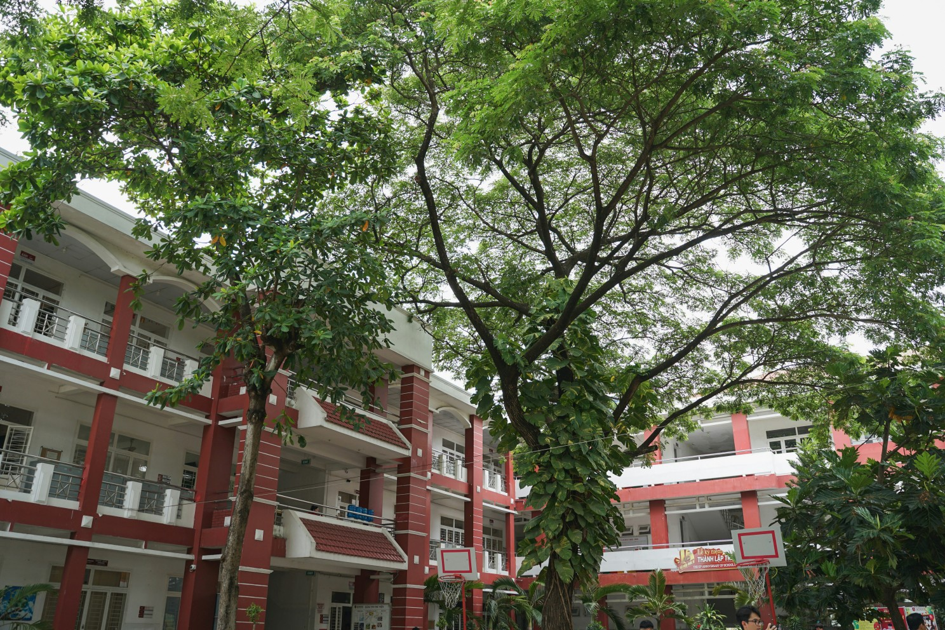
Photo by Irish83 on unsplash
The same logic applies beyond cities. In agricultural landscapes, hedgerows, agroforestry systems and tree cover help buffer microclimates, reduce wind stress, protect soils, support water cycles and create more resilient production systems. Trees are not only carbon sinks. They are regulators of temperature, water, biodiversity and life.
The current heatwave is a reminder: adaptation cannot wait for the next crisis.
We need to treat trees as essential infrastructure — planned with the same seriousness as roads, water networks or energy systems. That means protecting existing mature trees, restoring soils, creating shaded pedestrian routes, redesigning schoolyards and public spaces, supporting agroforestry, and measuring the real impact of nature-based solutions over time.
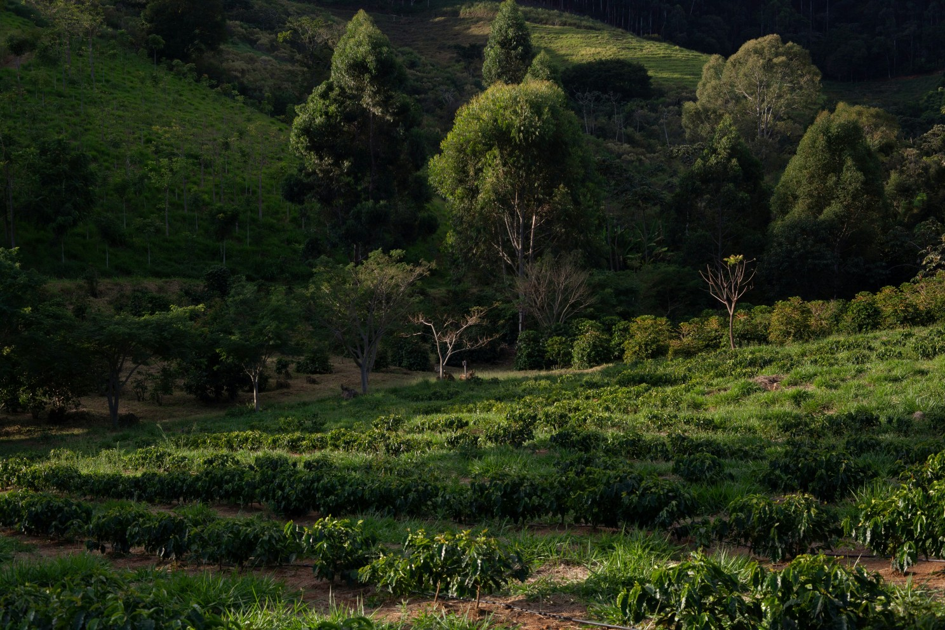
Photo by PROJETO CAFÉ GATO-MOURISCO on unsplash
A tree planted today will not solve this week’s heatwave. But the trees we protect and plant now will determine how liveable our cities, farms and territories will be in ten, twenty or thirty years.
In a warming world, shade is not a luxury. It is a public good.