1 June 2024
Regenerative agriculture
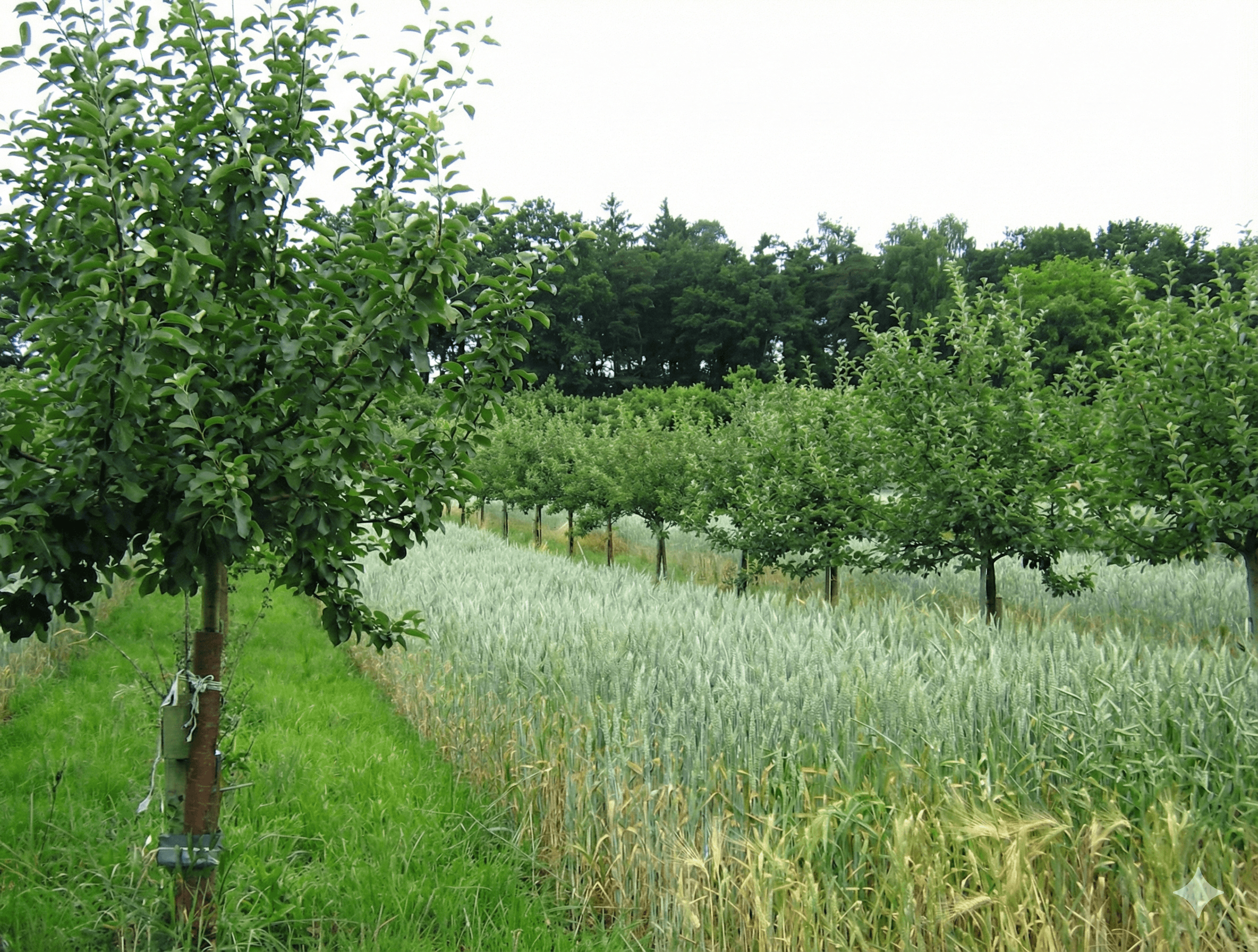
Beyond the hype
During the last decades, industrial farming practices have largely prioritised yield over resilience, leaving around a third of the world’s soils degraded.
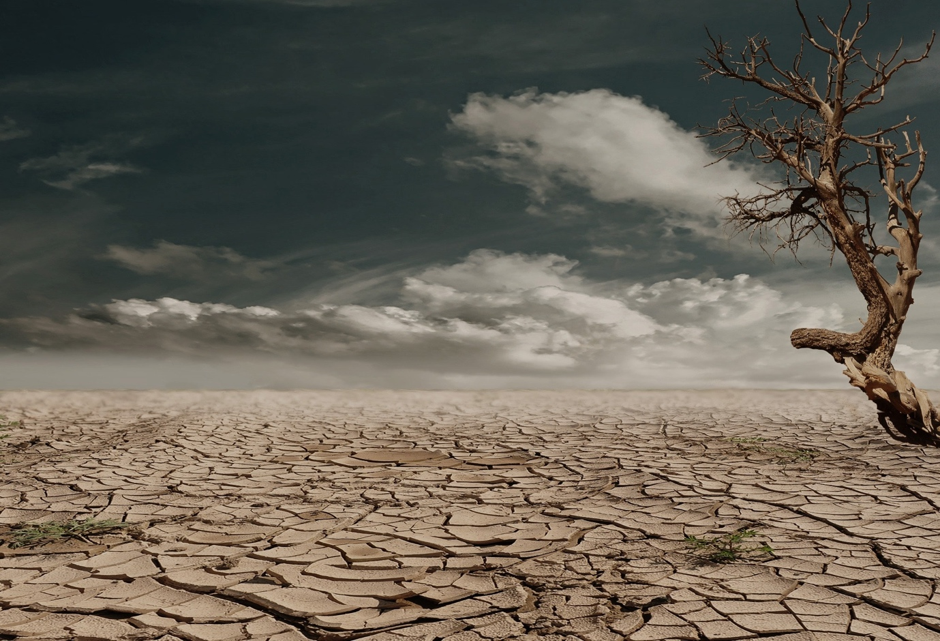
Intensive tillage, combined with the massive use of chemical fertilizers and synthetic pesticides have considerably degraded the physico-chemical and biological properties of agricultural land.
As a consequence, the soils aeration, water retention capacity and fertility have steadily deteriorated, compromising their productivity in the medium and the long run. Unbalanced soils are also less prone to constitute welcoming habitats to the great diversity of species they need to maintain their properties and sustain their fertility.
Last but not least, degraded soils are low in organic matter and hence they lose capacity to act as carbon sinks. At the same time, agrifood systems represent around one-third of total anthropogenic greenhouse gas emissions.
With a steadily rising population and increasingly erratics weather patterns, this means that the current agri-food system is proving altogether less and less viable and it is no surprise that agriculture and food security were under the spotlights at the UN COP27.
“Without lowering emissions coming from the entire food chain, we cannot keep 1.5°C alive. Equally, unless we address the ongoing climate crisis, our food system will be at risk.” said UN Climate Change Executive Secretary Simon Stiell addressing the meeting.
For the food system to provide the necessary nutrition and food security in a warming world with a ten billion + population, a major shift towards more regenerative and sustainable agricultural approaches is critical.
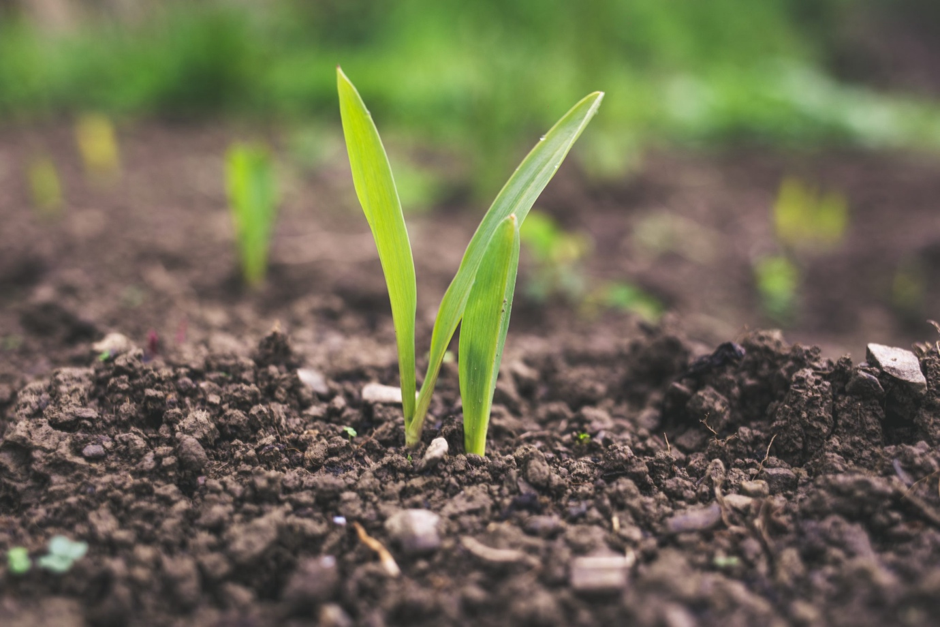
Admittedly, there is no established scientific or normalised definition of what constitutes a regenerative agriculture. According to a comprehensive meta analysis published in 2020, some common themes emerge though consistently across the multiple existing concepts: enhancing and improving soil health, optimizing resource management, alleviating climate change, improving nutrient cycling and water quality and availability, articulated by both objectives (e.g. improve soil quality) and activities (e.g. use perennials, agroforestry). These themes enhance food security by contributing to provisioning (e.g. food, feed and fibre), regulating (e.g. climate regulation, soil erosion and water purification) and supporting (e.g. nutrient cycling and soil formation) ecosystem services. Some definitions also highlight socio-economic properties like improving human health, fairness, economic prosperity and animal welfare while also explicitly referring to organic practices.
In any case, most experts agree that regenerative agriculture practices—including in particular the use of cover crops, reduced or no tillage, and diversified crop rotations—hold great potential to rebuild dwindling organic matter, improve soil health, reduce nutrient runoff that causes water pollution, and sustain biodiversity.
As such, and despite the uncertainty regarding the order of magnitude of its potential, regenerative agriculture contributes at enhancing at all levels the ecosystem services and displays a powerful narrative prone to mobilizing multiple actors across the whole food value chain.
The narrative is however not enough and multiple challenges and barriers to implementation must be addressed to scale up regenerative and sustainable practices.
First, farmers’ access to knowledge, services and infrastructure to adopt such practices must be improved. Access must be organised in an inclusive way, paying particularly attention to small farmers and women.
Second, land tenure should be better secured as unclear land-rights prevent farmers to invest time and money in practices with a longer return on investment. Here again, it is important to address women’s situation as they generally have very weak legal rights to land.
Third, better structure of incentives should be established to encourage farmers adopting regenerative agriculture. They could relay on schemes for payments of ecosystem services, i.e. provide farmers with direct financial benefits if they implement certain practices. Carbon credits are a good illustration of such payment schemes but their access remains challenging for farmers, transaction costs are high and certification and monitoring are complex. But as global atmospheric carbon dioxide continues to rise, the idea of economically incentivizing carbon farming is gaining traction and more streamlining is to be expected. The remaining question-mark relates to the uncertainty over the magnitude of carbon dioxide emissions that could be sequestrated thanks to regenerative practices as we are still failing robust data points.
Finally, introducing a publicly-endorsed regenerative agriculture certification or label allowing farmers to get more money for their products and to get access to public procurement is also an interesting option. Another benefit from that would be to prevent diverted use and the risk of green washing. The flip side is that certification systems are generally very complex, expensive and require public awareness and adoption which is not straightforward. With the multiple challenges we face, there is a growing consensus that we cannot continue with farming practices that degrade soil and emit carbon instead of sequestering it.
Despite the uncertainties and challenges highlighted above, adopting regenerative agriculture at scale remains one of the most promising paths towards improving water and air quality, enhancing ecosystem biodiversity, storing carbon and securing sustainable nutrition.