5 March 2023
COP 27 …then what ?
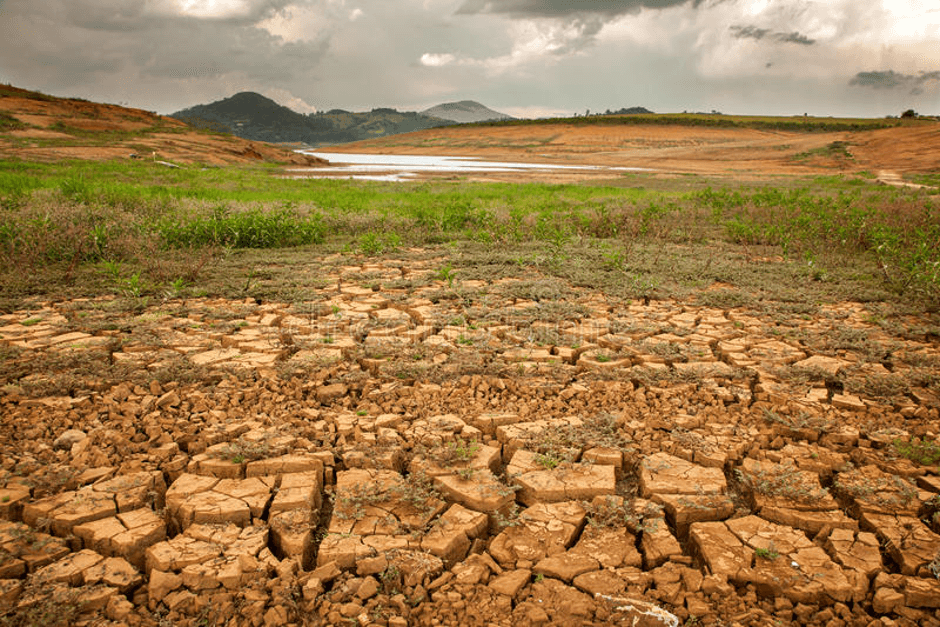
Developing countries are predicted to bear the brunt of climate change impact despite having barely contributed to that.
This means that, by 2030, six out of seven people in the planet will be at severe risk of climate change impacts on food security and agriculture, water and nature, human settlements, oceans, and cities, among others. These effects include lower agricultural yields, exacerbated weather events like droughts and floods, and increased vulnerabilities resulting from water shortages and rising sea levels which compounds with deforestation and biodiversity loss.
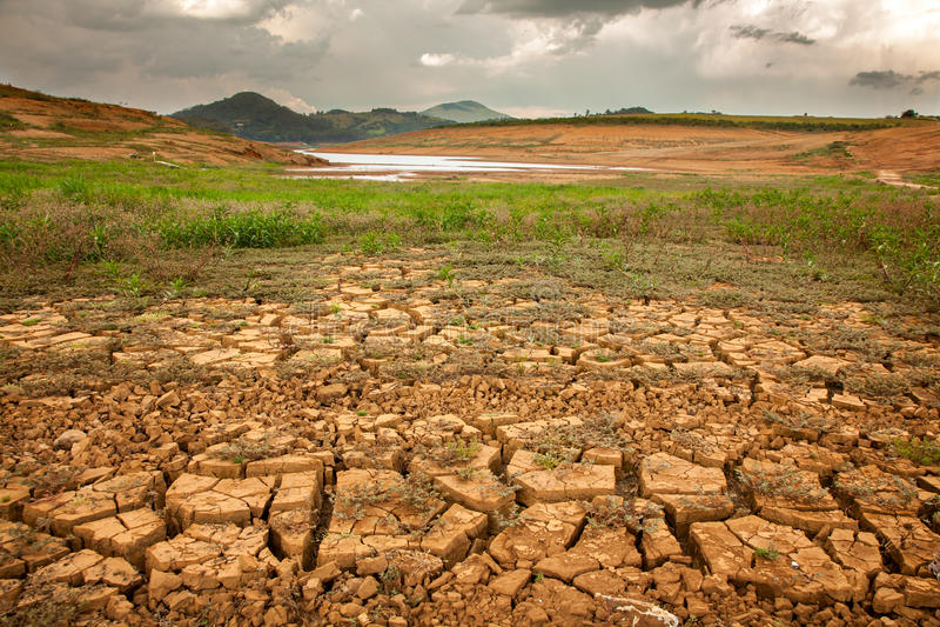
It means that several hundred of millions of people will be forced to migrate. When such displacements happen in fragile states, they create national security and development challenges, threaten international security, fuel violent conflicts and ultimately, can reverse years of sustainable development gains.
To break this nexus between climate, conflict, fragility, and development, the COP 27 has came up with a landmark agreement on the first comprehensive global adaptation-focused plan, rallying both governments and non-State actors behind a shared set of actions. The plan includes in particular a breakthrough agreement on New “Loss and Damage” Fund for vulnerable countries but also a boost to the support of finance, technology and capacity building needed by developing countries.
To translate the latter ambitions into implementation through concrete, specific action on the ground, several challenges must be harnessed ranging from selecting fit for purpose technologies, relevant for the local ecosystem from a social and environmental perspective, removing barriers to entry from user adoption to administrative, linguistic or cultural obstacles and channeling the much needed financing. The international community must work with stakeholders at all levels and across sectors to strengthen existing adaptation and resilience-building programs or help create new ones in close cooperation with local communities. Community-led management of the implementation is indeed key to ensure inclusiveness and shape sustainability in the long run.