21 February 2026
Agricultural Trade: The New Climate Frontier
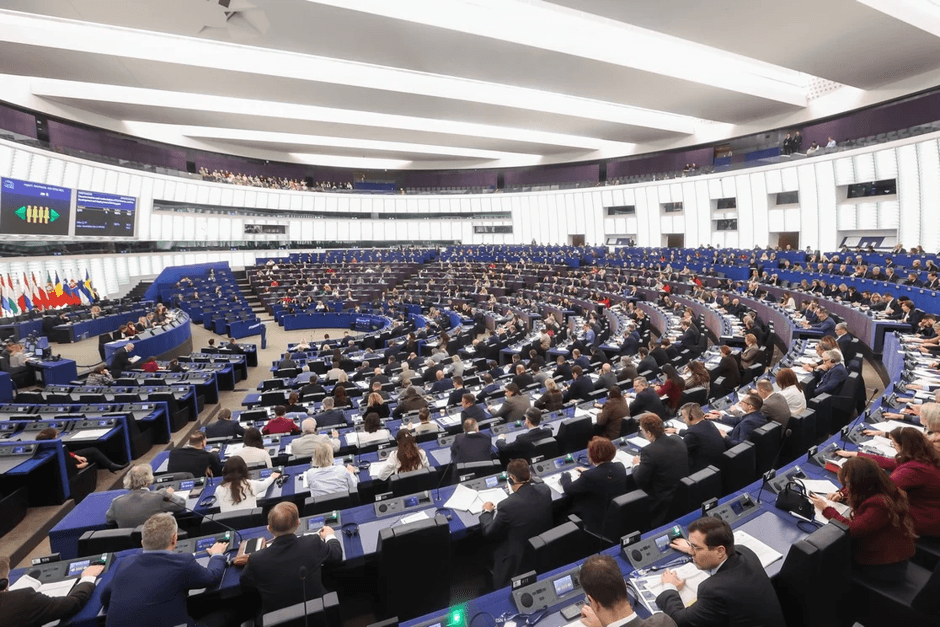
On January 1, 2026, far from the media uproar surrounding the American tariff wars, Europe discreetly crossed a historic threshold by turning an invisible line into a customs reality. With the operational entry into force of the Carbon Border Adjustment Mechanism (CBAM) — which applies, among other products, to agricultural fertilizers — the European Union has officially made climate performance a condition for access to its market. From now on, exporting to Europe is no longer just a matter of price competitiveness or sanitary compliance. Producers must also prove — and soon pay for — their carbon footprint.
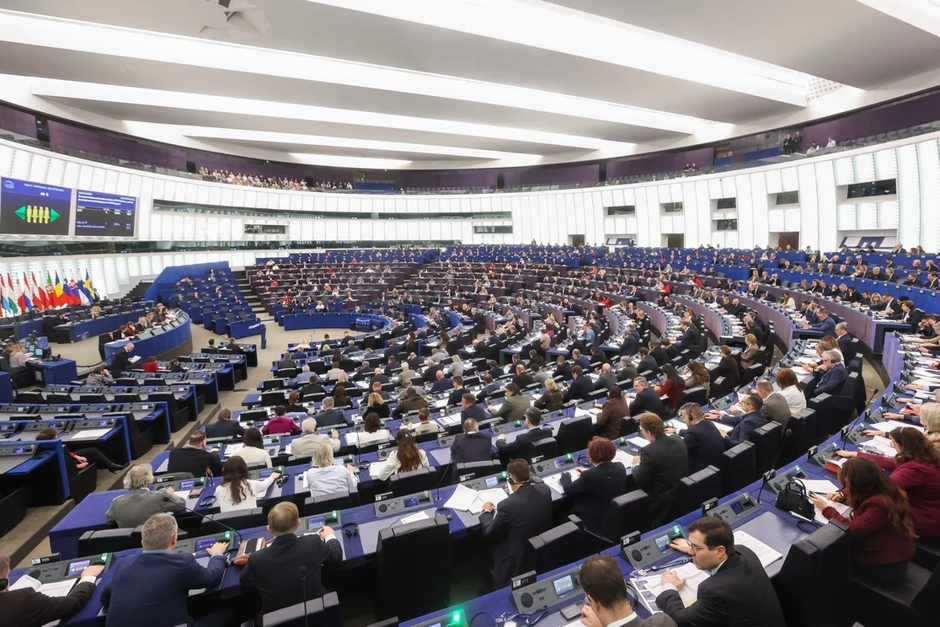
A few weeks later, tensions escalated. While European farmers’ grievances had long been simmering amid the growing accumulation of environmental standards, the shadow cast by the EU-Mercosur agreement crystallized their anger over increased market access for products originating from systems perceived as less regulated.
Then, almost quietly, a technical episode ignited the debate: an anomaly in statistics on Moroccan tomato imports. Described by authorities as a simple “administrative error,” it proved to be one symbol too many for local producers. The incident revived concerns about transparency and rekindled the debate over competitive distortions linked to differences in social and environmental standards.
Three events. One common thread.
Europe is entering the era of climate-driven trade, but at the cost of a policy that remains difficult to decipher, whose inconsistencies are fueling unrest among its farmers. At the same time, a pressing question is emerging across the Global South: is the European Green Deal a lever for shared transformation, or a new form of climate protectionism?
This debate extends far beyond tomatoes or fertilizers. It touches both on the foundations of a new economic compact between North and South and, more fundamentally, on the future of the global agricultural model itself.
What is CBAM and why is it a game-changer?
The Carbon Border Adjustment Mechanism (CBAM) is a European reform that:
- imposes a carbon price on exports entering the EU, based on the CO₂ emissions associated with the production of the good, to align environmental costs with those of European producers subject to a carbon pricing system.
- aims to prevent “carbon leakage”: a situation where greenhouse gas emissions are simply transferred out of the EU to countries with less stringent regulations.
So far, the CBAM has focused on “carbon-intensive” industrial products (steel, cement, aluminium, electricity, hydrogen, fertilisers). Its extension to other products — potentially agricultural in the long term — is already being discussed in certain political and technical circles.
Fertilizers: a textbook case
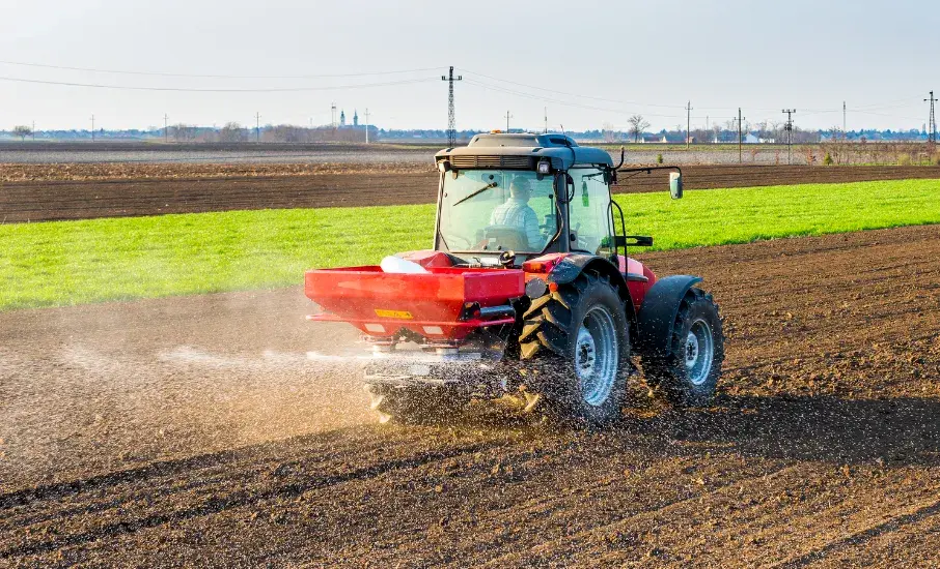
The inclusion of fertilizers in the CBAM, combined with the tightening of European carbon quotas, has dealt a significant blow to ammonia-based products, which are among the most carbon-intensive. These inputs can account for up to 30% of European farmers’ production costs, amplifying the impact of rising carbon constraints. In early 2026, the industry called for temporary relief or targeted policy adjustments. However, any substantial modification of the mechanism requires political agreement from both the European Council and the European Parliament. While the Commission has signaled potential room for intervention — notably through Article 27a, designed to address exceptional circumstances — the criteria remain vague. A suspension therefore appears politically sensitive and unlikely, particularly given the risk of undermining the credibility of the system at a critical stage of its implementation.
Regulatory coherence under strain
The integration of fertilizers into the scope of the CBAM raises a systemic coherence issue that Brussels will not be able to sidestep for long: why stop at inputs if the final product itself embodies imported carbon?
For European farmers, the inclusion of fertilizers functions as a financial double squeeze. On the one hand, they face rising production costs as carbon pricing is embedded into agricultural inputs. On the other, they continue to compete with imported agricultural products that are not — at least for now — subject to an equivalent carbon price.
In its current form, the mechanism therefore creates a competitiveness asymmetry. From the perspective of European producers, if the EU internalizes the carbon cost of agricultural production, then agricultural imports should be subject to the same principle.
This tension is fueling a growing political demand: the strict alignment of environmental standards for agricultural imports with those imposed on domestic producers. Without such reciprocity, the Green Deal risks being perceived not as a transition strategy, but as a structural competitive handicap.
When the normative debate puts everything in the same basket
It is precisely this demand for reciprocity that is fueling agricultural mobilization against the EU–Mercosur agreement and, more episodically, the recent tensions over Moroccan tomato imports.
Yet these episodes are not isolated incidents. They form part of a broader wave of agricultural protests across Europe, driven by the perception of competitive distortions and by disparities in environmental and social standards embedded in trade agreements.
However, one of the central risks in the current debate lies in the oversimplification of international agricultural flows. Imports from countries of the South are frequently discussed as if they formed a single, homogeneous bloc: Brazilian beef, soy linked to deforestation, West African cocoa, Mediterranean fruits and vegetables. Yet these products are rooted in fundamentally different environmental dynamics and agricultural systems. Beef produced in deforested areas of the Amazon and soy cultivated on former primary forests undeniably raise major climate concerns, including land-use change, the loss of carbon sinks, and high emissions associated with livestock production. But equating such systems with cocoa grown under agroforestry shade in West Africa overlooks profoundly different agronomic realities. Many cocoa value chains, for instance, operate within agroforestry systems that preserve tree cover, sequester carbon, and support biodiversity. Their carbon footprint bears little resemblance to that of intensive, land-expanding production models.
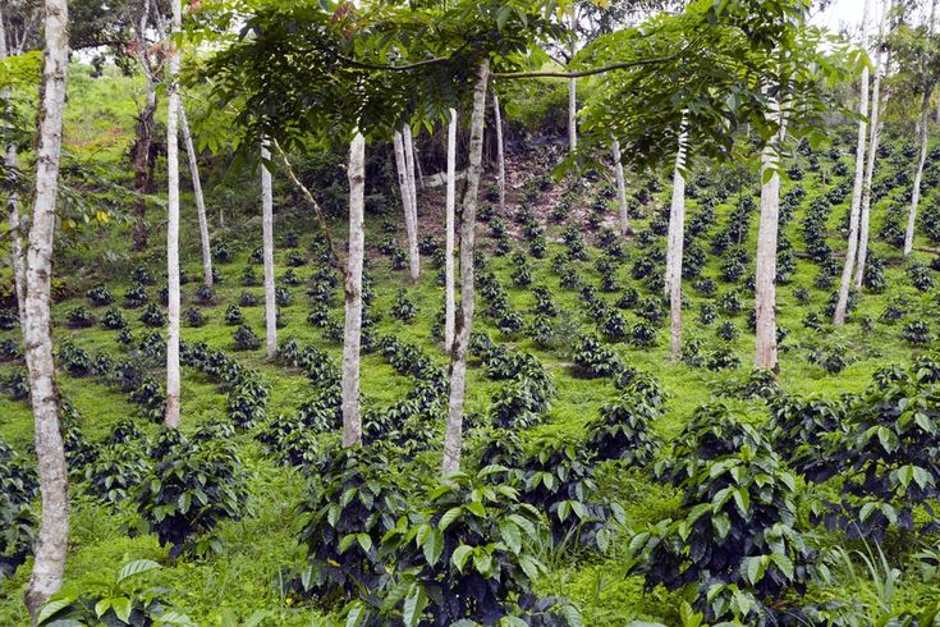
If Europe were to extend the logic of the Carbon Border Adjustment Mechanism to agriculture without sufficient differentiation:
- Products with genuinely high environmental impacts and those produced under more sustainable systems could be subjected to the same regulatory treatment.
- Sustainable value chains in the Global South could be penalized by an overly aggregated approach.
- Small-scale producers, less able to absorb the costs of carbon measurement and certification, would be placed at a severe disadvantage compared with large agribusiness firms.
This regulatory “confusion” risks fueling a growing sense of injustice, reinforced by polarization around simplistic binaries — virtuous Europe versus polluting South, green protectionism versus environmental dumping — when the underlying realities are far more nuanced and structurally complex.